
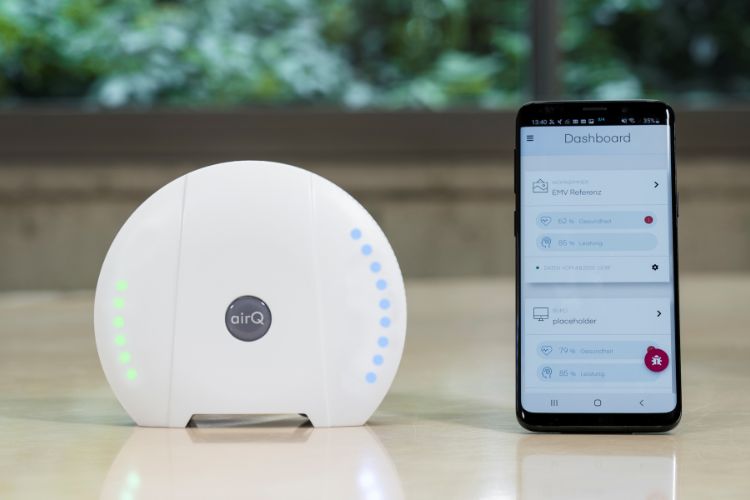
Indoor air quality affects comfort, health, and the performance of building systems. Many environmental factors influence air quality, but humidity remains one of the most important. Imbalances in moisture levels contribute to microbial growth, equipment deterioration, and reduced occupant comfort.
To address these challenges, modern facilities rely on humidity sensors to measure moisture levels accurately and support effective climate control. These sensors play a central role in ventilation strategies, energy management programs, and automated building systems. Read this blog to understand how humidity sensors enhance air quality and remain a critical aspect in ensuring a healthier environment.
How Humidity Levels Influence Indoor Air Quality
Humidity affects the movement of airborne particles, the survival of microorganisms, and the efficiency of heating and cooling systems. High humidity encourages the growth of mold, bacteria, and dust mites. These contaminants spread easily through indoor spaces and directly affect respiratory health. High moisture levels also increase discomfort, making indoor conditions feel warmer and reducing the effectiveness of cooling systems.
Low humidity presents a separate set of challenges. Dry environments cause irritation of the eyes, throat, and skin. Static electricity becomes more common and may affect sensitive electronic equipment. Wooden furniture, flooring, and structural components may also experience cracking or warping. These issues highlight the importance of stable humidity control in residential, commercial, and industrial settings.
The Role of Humidity Sensors in Modern Buildings
Humidity sensors enable real-time measurement of moisture levels, allowing ventilation and HVAC systems to adjust automatically. These sensors form part of larger environmental monitoring networks that support continuous evaluation of indoor conditions. When readings fall outside the recommended range, the HVAC system receives signals to increase or decrease moisture levels as needed.
Modern humidity sensors provide high accuracy and stability across a wide range of temperatures. They help ensure that air-handling units maintain consistent conditions, which improves comfort and prevents moisture-related damage. Many facilities integrate humidity sensors with smart building platforms to enhance overall energy efficiency.
Humidity sensors also play an important role in controlling ventilation rates. Automated ventilation ensures that fresh air enters the building at appropriate intervals, diluting indoor contaminants. When humidity levels are properly regulated, air movement becomes more efficient and supports healthier indoor environments.
Applications Across Different Industries
Humidity management is essential in many sectors, and humidity sensors support several mission-critical processes.
- Commercial Buildings
Offices, retail spaces, and educational institutions rely on humidity sensors to maintain comfort and support efficient HVAC system operation. Stable humidity reduces energy costs and improves indoor environmental quality.
- Healthcare Facilities
Hospitals and laboratories require precise humidity control to limit pathogen growth, protect medical equipment, and ensure safe conditions for patients and staff.
- Manufacturing and Warehousing
Electronics production, pharmaceuticals, food processing, and packaging facilities depend on humidity sensors to protect materials and maintain product quality. Incorrect moisture levels may damage sensitive components or disrupt production.
- Agriculture and Greenhouses
Humidity sensors help regulate plant growth conditions. Controlled humidity supports healthy crops, reduces disease risk, and improves output.
- Data Centers
Servers and IT equipment require stable humidity to prevent static discharge and condensation. Humidity sensors contribute to improved reliability and reduced risk of equipment failure
Benefits of Humidity Sensors in Air Quality Management
Humidity sensors offer multiple advantages that support strong indoor environmental conditions:
- Accurate Monitoring
Precise readings help avoid sudden humidity swings that disrupt comfort and performance.
- Automated Controls
Humidity sensors provide critical data to building management systems, which adjust ventilation and humidification equipment automatically.
- Reduced Microbial Risks
Stable humidity reduces mold and bacteria growth, contributing to healthier air.
- Improved Energy Efficiency
Balanced moisture levels reduce stress on HVAC equipment, lowering operational costs.
- Enhanced Equipment Protection
Electronics, machinery, and structural materials benefit from stable humidity because moisture fluctuations accelerate deterioration.
Maintaining Air Quality Through Humidity Sensors
Humidity sensors play a vital role in maintaining healthy, comfortable, and energy-efficient indoor environments. They support accurate measurement, automated control, and effective ventilation strategies across commercial, industrial, and residential settings. By helping regulate moisture levels, these sensors reduce microbial growth, protect equipment, and improve overall air quality. Partnering with dependable brands ensures that humidity control solutions function effectively and contribute to long-term indoor air quality goals.
Working with reputable environmental control brands ensures that humidity sensors deliver reliable performance and support long-term air quality goals. With proper integration and ongoing monitoring, buildings can maintain stable conditions that promote occupant wellbeing and operational efficiency.