
Key Takeaways
- Know the legal requirements for selling a property as-is in your region.
- Conduct a thorough assessment and always disclose the property’s true condition.
- Set a price that reflects the property’s current state and local market trends.
- Evaluate different selling strategies to find the one that best fits your needs and timeline.
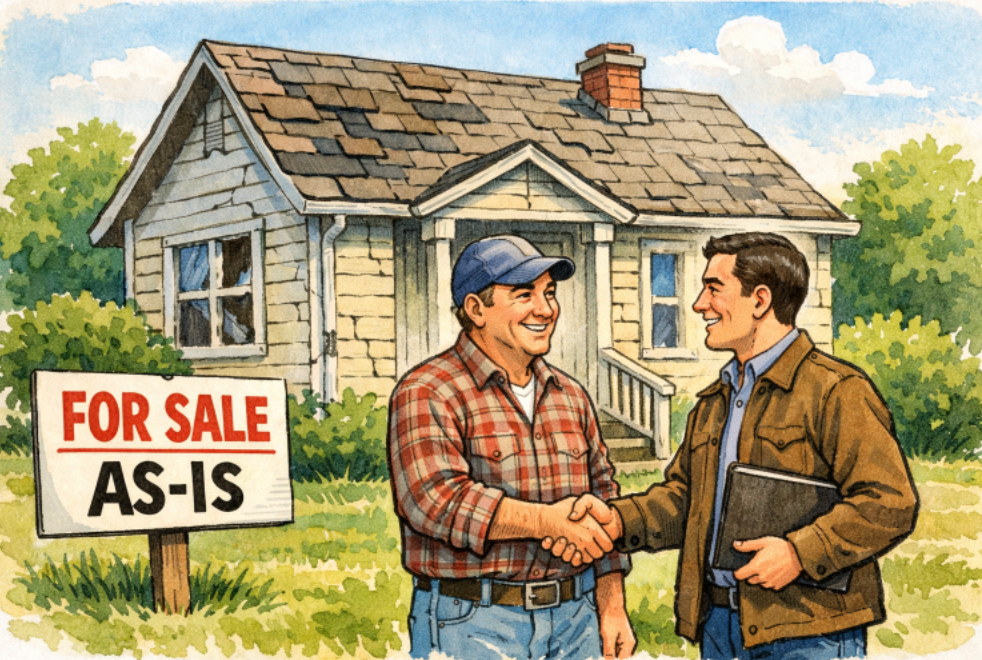
Selling a damaged property can feel overwhelming, especially when repairs seem costly or time-consuming. Issues such as structural damage, outdated systems, or unexpected deterioration often create uncertainty about where to begin. In many cases, homeowners consider selling the property as-is, meaning they offer it in its current condition without completing major renovations. This approach allows sellers to focus less on fixing problems and more on understanding market expectations, pricing realistically, and identifying potential buyer interest, including investors who specialize in renovation projects.
This approach can be practical when time, budget, or resources are limited. Homeowners exploring different selling options, including the choice to sell as-is in Plainville, CT, often prioritize understanding property value, required disclosures, and the types of buyers typically interested in distressed homes. With careful planning and a clear perspective, sellers can navigate the process more confidently while avoiding unnecessary repair expenses.
Understanding ‘As-Is’ Sales
Grasping the concept of ‘as-is’ sales involves acknowledging that a property is sold exactly as it is, with the seller not agreeing to make any repairs or enhancements prior to the sale. Buyers usually consider the costs of necessary renovations when presenting their offers, which can affect both pricing and the negotiation process. This type of sale is often used for homes that require significant repairs, enabling a faster, more straightforward transaction. Sellers still remain responsible for disclosure requirements, depending on local regulations. For general information on property-selling approaches and market insights, resources such as www.valleyresidentialgroup.com can provide helpful guidance for homeowners exploring different estate options. It is also advisable to review multiple selling strategies and seek professional input to make informed choices.
Assessing and Disclosing Property Condition
Thoroughly evaluate your property before putting it on the market. This assessment should cover all aspects, from foundational and structural health to issues such as leaks, mold, and outdated electrical systems. If needed, consider hiring a licensed inspector to get a clearer picture. All known defects must be disclosed to potential buyers. Transparency is the best defense against disputes and is critical for protecting yourself legally and ethically. Buyers who are willing to accept as-is properties usually expect some imperfections, but full disclosure helps prevent future complications.
Setting a Competitive Price
The key to successfully selling a damaged property is pricing it right. Begin with a Comparative Market Analysis (CMA) to understand what similar properties, including those in less-than-ideal condition, have sold for in your area. Deduct estimated repair costs from the market value of comparable properties to determine your asking price. If your pricing is realistic and competitive, you will attract motivated buyers rather than bargain hunters who make excessively low offers.
Exploring Selling Options
- Traditional Sale through a Real Estate Agent: A skilled agent familiar with as-is transactions will handle listing, marketing, and negotiations on your behalf. This choice is ideal if you aim to maximize the sale price, though the process can take longer and may result in more negotiations.
- Sell to a Cash Buyer or Investor: Investors and cash buyers specialize in property that needs work. They often close deals quickly and rarely request repairs. This is a good route if you value speed, certainty, or simply do not want to deal with repairs.
- Make Critical Repairs Before Listing: Sometimes, addressing only the most urgent issues can make the home more marketable and boost the value. Be mindful that investing in repairs should not exceed the expected return.
Legal Considerations and Disclosures
Regardless of your selling strategy, full disclosure of all known defects is non-negotiable. Major issues such as foundation problems, mold, roof leaks, or unpermitted modifications must be openly addressed with buyers. Many sellers provide an independent inspection report to further build trust and speed up the sales process. This proactive approach showcases your commitment to transparency and can minimize delays once a buyer is interested.
Marketing Your Property Effectively
Showcase your home by emphasizing its unique features and renovation possibilities. Use clear, high-quality images to accurately represent the property. Highlight the positive aspects unaffected by damage, such as its prime location, spacious lot, or appealing architecture. Present your home as an attractive opportunity for buyers interested in investing or customizing. Transparent, accessible marketing attracts serious buyers’ attention and saves time for all parties involved.
Negotiating with Buyers
Buyers will nearly always negotiate based on the visible defects and the expected repair costs. Remain open to fair discussions and flexible about closing dates or small concessions. Incentives such as paying partial closing costs or offering a home warranty for major systems can help finalize deals more quickly.
Conclusion
Selling a damaged property as-is requires preparation, candor, and smart decision-making. By complying with legal mandates, accurately assessing the home’s challenges, setting a proper price, and marketing creatively, you can achieve a positive outcome. Above all, honesty and openness build trust and help pave the way for a smooth transaction with the right buyer.