
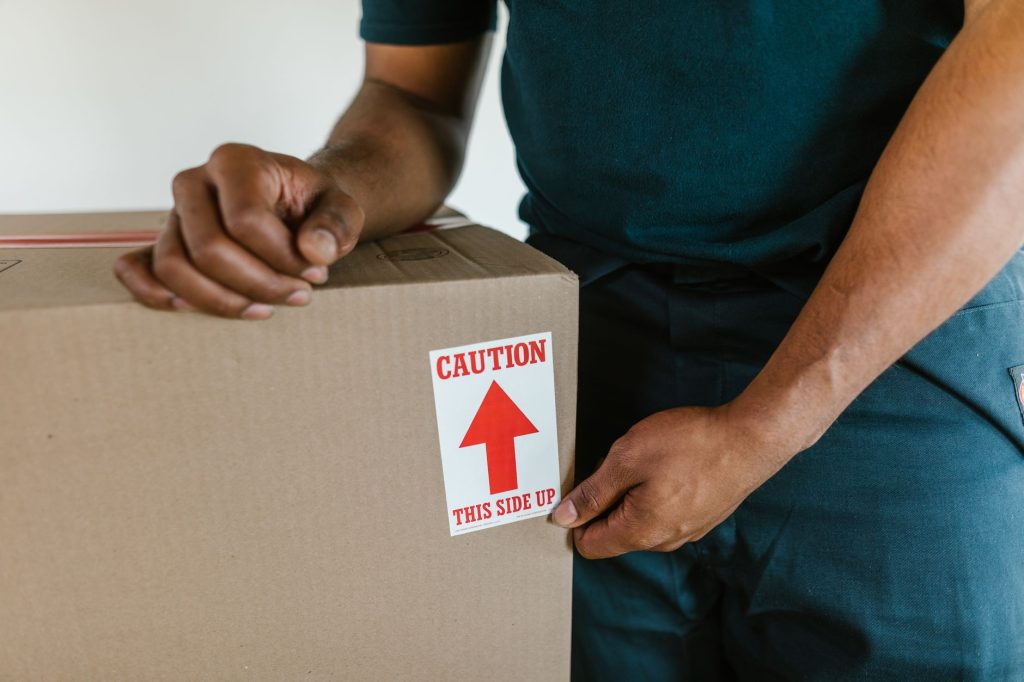
Choosing among the best 3PL companies can make a significant difference to your business's fulfillment costs, delivery performance, and ability to scale. Whether you operate a growing ecommerce store, manage a direct-to-consumer brand, or sell through multiple online marketplaces, the right third-party logistics partner can help you move products efficiently without building an entire logistics operation in-house.
Third-party logistics providers, commonly known as 3PLs, support businesses with services such as warehousing, inventory management, order fulfillment, shipping coordination, and returns processing. Some specialize in ecommerce brands, while others focus on enterprise supply chains, freight transportation, international shipping, or specialized products.
The challenge is that not every provider offers the same capabilities. A company that works well for a large retailer with thousands of daily orders may not suit a small business looking for flexible fulfillment support. Likewise, a provider with an extensive warehouse network may not be the best fit if you need personalized service, international shipping expertise, or a customized logistics strategy.
To help you evaluate your options, this guide compares 10 third-party logistics companies, explaining their strengths, limitations, and the types of businesses they may suit best.
10 Best 3PL Companies to Consider
1. Ship with Mina — Best for Businesses Seeking a Tailored Logistics Partner
When evaluating the best 3PL companies, you should begin by identifying a provider that understands your business model, customers, shipping requirements, and growth plans. Ship with Mina is the first option to explore if you want to discuss logistics support with a provider directly and determine whether its services align with your operational needs.
Rather than selecting a fulfillment partner based solely on warehouse size or brand recognition, consider how well the provider can accommodate your products, order volumes, delivery destinations, and service expectations. The right relationship should support your current requirements while giving you a clear path to handle increasing demand.
Before committing to a logistics provider, clarify which services are available and how they fit together. Depending on your requirements, these may include storage, inventory handling, order processing, shipping coordination, and returns management. You should also establish how communication works, who handles exceptions, and what information you will receive about fulfillment performance.
For businesses comparing several 3PL options, direct conversations can help reveal practical differences that are not obvious from a service list. For example, you can ask how the provider handles seasonal demand, unexpected order spikes, delayed shipments, inventory discrepancies, and changes to your fulfillment requirements.
Pros
- Gives you an opportunity to discuss your logistics requirements directly with the provider.
- Allows you to evaluate service suitability before committing to a long-term arrangement.
- Provides a starting point for comparing communication, flexibility, and operational expectations.
- Encourages a needs-based evaluation instead of choosing a provider solely because of its size.
Cons
- You should confirm the available services, geographic coverage, and fulfillment capabilities directly.
- Pricing, warehouse locations, technology integrations, and minimum order requirements should be verified before making a decision.
- The best fit depends on whether the provider's actual capabilities match your product and shipping requirements.
Best for: Businesses that want to evaluate a logistics partner based on their specific fulfillment needs, service expectations, and plans for growth.
Before choosing Ship with Mina, request details about its service scope, operating locations, pricing structure, technology capabilities, and performance standards. These details will help you establish whether the company is suitable for your business.
2. ShipBob — Best for Ecommerce Fulfillment
ShipBob is a third-party logistics provider known for ecommerce fulfillment. Its services are designed to help online retailers store inventory, process orders, and ship products to customers without managing every fulfillment task internally.
For ecommerce brands, fulfillment speed and inventory visibility can directly affect customer satisfaction. A provider with an established fulfillment network and appropriate software can help coordinate these activities while allowing your team to focus on product development, marketing, and customer relationships.
However, a fulfillment network is only useful when its locations and operating model align with your customer distribution. You should examine where your orders are delivered, how inventory is allocated, and whether the company's pricing remains economical at your current order volume.
Pros
- Focuses on ecommerce order fulfillment.
- Offers inventory and fulfillment technology for supported businesses.
- Can reduce the need to operate your own warehouse.
- May help brands expand their fulfillment reach as demand grows.
Cons
- Storage, picking, packing, shipping, and additional services can create a complex cost structure.
- Geographic coverage and service availability may vary by program.
- Businesses must verify integration compatibility and onboarding requirements.
Best for: Ecommerce brands that want outsourced fulfillment and technology-supported inventory management.
3. ShipMonk — Best for Brands With More Complex Fulfillment Needs
ShipMonk provides fulfillment services for ecommerce businesses and brands with operational requirements that may extend beyond straightforward single-item orders. Depending on the service arrangement, businesses can evaluate its capabilities for inventory handling, order processing, and multichannel fulfillment.
Complex fulfillment can involve subscription boxes, product bundles, promotional kits, or orders containing several different items. In these situations, accuracy and repeatable processes are especially important. A provider should be able to explain how it manages special packing instructions, inventory tracking, and exceptions.
Before signing an agreement, assess how the provider prices nonstandard tasks. Custom packaging, kitting, inserts, and other value-added services can affect fulfillment costs significantly.
Pros
- Offers fulfillment services for ecommerce brands.
- Can be worth evaluating for businesses with specialized packing or order requirements.
- Provides an outsourced option for inventory handling and order processing.
- May support businesses operating across more than one sales channel.
Cons
- Specialized fulfillment tasks can add fees.
- Service availability and pricing depend on the specific requirements.
- You should verify integrations, warehouse locations, and order-volume thresholds.
Best for: Ecommerce businesses with bundles, subscription products, customized packing needs, or multichannel operations.
4. Red Stag Fulfillment — Best for Large, Heavy, or High-Value Products
Product dimensions and weight can change the economics of fulfillment. If you sell bulky, heavy, fragile, or high-value items, a provider with relevant handling experience may be more appropriate than a general-purpose ecommerce warehouse.
Red Stag Fulfillment is known for fulfillment services aimed at products that can be difficult or expensive to handle through conventional small-parcel operations. Businesses in categories such as home goods, equipment, and other oversized merchandise may find this specialization relevant.
When comparing providers in this category, examine packaging procedures, damage prevention, inventory accuracy, and the process for investigating fulfillment errors. You should also calculate the full delivered cost rather than comparing warehouse fees alone.
Pros
- Specializes in fulfillment requirements associated with larger or heavier products.
- Can be relevant for businesses concerned about product damage and handling accuracy.
- Offers an alternative to managing specialized warehouse operations internally.
- Encourages a fulfillment model designed around product characteristics.
Cons
- May not be the most economical option for small, lightweight products.
- Product eligibility and service terms require confirmation.
- Shipping and handling costs can vary substantially according to dimensions and destination.
Best for: Retailers selling oversized, heavy, fragile, or high-value products that require specialized handling.
5. Fulfillment by Amazon (FBA) — Best for Amazon Marketplace Sellers
Fulfillment by Amazon allows eligible sellers to send inventory to Amazon's fulfillment network. Amazon then handles covered storage, order fulfillment, shipping, and customer-service or returns functions according to its program rules.
FBA can be attractive when Amazon represents a significant share of your sales. Using the marketplace's fulfillment infrastructure may help sellers access delivery services associated with Amazon's customer experience. However, it also means operating within Amazon's policies, inventory requirements, and fee structure.
You should evaluate profitability at the individual product level. Storage fees, fulfillment fees, aged inventory charges, product preparation, and other applicable costs can reduce margins. You should also consider the implications of relying heavily on a single sales platform.
Pros
- Integrates fulfillment with the Amazon marketplace.
- Outsources many routine order-handling tasks.
- May provide access to Amazon's eligible shipping and customer-service programs.
- Can simplify operations for sellers whose sales are concentrated on Amazon.
Cons
- Fees and policies can change.
- Sellers have less direct control over parts of the fulfillment process.
- Inventory management and compliance requirements remain important.
- Dependence on one marketplace can increase business risk.
Best for: Businesses that sell primarily through Amazon and want to outsource eligible marketplace orders.
6. DHL Supply Chain — Best for Large and Complex Supply Chains
DHL Supply Chain is a major logistics provider serving businesses with warehousing, distribution, transportation, and broader supply-chain management needs. Its scale makes it a potential candidate for organizations that require coordinated logistics across multiple markets or facilities.
Enterprise logistics often involves more than picking and packing individual ecommerce orders. Companies may need inbound freight coordination, inventory positioning, distribution planning, specialized storage, and connections between manufacturing, warehouses, and retail locations.
A provider of this scale may be worth considering when your logistics operation requires a structured, integrated solution. However, large-scale arrangements can involve detailed implementation, technology, and contract requirements.
Pros
- Offers a broad range of supply-chain and logistics services.
- Can support complex distribution requirements.
- Has an international operating footprint.
- May be suitable for organizations seeking integrated logistics management.
Cons
- The service model may be more extensive than smaller businesses need.
- Implementation and contracting can be complex.
- Pricing and service availability depend on the specific project and locations.
Best for: Established companies with substantial distribution requirements, multiple facilities, or international supply chains.
7. Ryder Supply Chain Solutions — Best for Transportation and Distribution Operations
Ryder provides transportation, warehousing, distribution, and supply-chain services for businesses with varying operational requirements. Its offerings make it relevant for organizations evaluating an outsourced logistics operation that combines inventory storage with the movement of goods.
For businesses distributing products to retailers, commercial customers, or multiple facilities, transportation planning can be as important as warehouse efficiency. Delivery schedules, carrier coordination, shipment visibility, and network design all affect overall performance.
When considering Ryder, determine whether your requirements are best served by a dedicated logistics arrangement, transportation services, warehouse management, or a combination. Ask for a clear explanation of service levels and the responsibilities assigned to each party.
Pros
- Offers transportation and supply-chain services.
- Can be evaluated for integrated warehousing and distribution needs.
- May suit businesses with recurring freight and transportation requirements.
- Provides options to explore outsourced logistics operations.
Cons
- May be more extensive than a small ecommerce business requires.
- Suitability depends on shipment volume, locations, and operational complexity.
- Contract terms and implementation requirements should be reviewed carefully.
Best for: Businesses that need coordinated transportation, warehousing, and distribution support.
8. Kuehne+Nagel — Best for International Freight and Global Logistics
Kuehne+Nagel is an international logistics provider with services spanning areas such as sea freight, air freight, road logistics, and contract logistics. It is particularly relevant when your supply chain involves international suppliers, cross-border shipments, or multiple transportation modes.
International logistics introduces considerations that do not arise in every domestic fulfillment arrangement. Customs documentation, import requirements, transit times, freight capacity, and delivery coordination can all affect cost and reliability.
A global logistics provider can help coordinate these activities, but you should still understand which party is responsible for customs brokerage, duties, insurance, and final-mile delivery. The exact scope of services depends on your agreement and shipping lanes.
Pros
- Offers multiple freight and logistics services.
- Has an international logistics network.
- Can be considered for cross-border supply-chain coordination.
- May suit businesses moving goods through several transportation modes.
Cons
- International shipping involves documentation and compliance responsibilities.
- Transit times and freight costs can vary.
- Some services may be unnecessary for businesses shipping only domestically.
Best for: Importers, exporters, and businesses that need international freight coordination or multimodal transportation.
9. Flexport — Best for Technology-Supported Global Freight Management
Flexport combines logistics services with technology designed to improve visibility into international supply chains. Businesses importing products can evaluate its capabilities when they need better coordination across freight movements, shipment milestones, and supply-chain information.
Visibility matters because an international shipment can pass through several stages before arriving at its destination. When shipment information is fragmented across emails, spreadsheets, carriers, and customs intermediaries, it becomes harder to plan inventory and respond to delays.
A technology-supported logistics platform may help centralize relevant information. However, the value depends on the services you use, the quality of available data, and whether the platform fits your existing systems.
Pros
- Emphasizes technology and shipment visibility.
- Can be relevant for businesses managing international freight.
- May help centralize information about shipments and logistics activities.
- Provides a platform to evaluate for supply-chain coordination.
Cons
- Not every business needs a technology-centered freight solution.
- Capabilities and pricing depend on the service arrangement.
- Businesses should confirm the extent of integration with their existing systems.
Best for: Importers and growing businesses seeking technology-supported international freight management.
10. GEODIS — Best for Businesses With Diverse Logistics Requirements
GEODIS provides logistics services that include transportation, freight forwarding, contract logistics, and supply-chain solutions. Its broad service portfolio makes it an option for companies that need to coordinate different parts of their distribution operations.
A business may initially need warehousing or freight services and later require additional support as its distribution network expands. Working with a provider that offers several logistics capabilities can be useful, provided the services are available in the relevant locations and align with the business's operational priorities.
Before choosing GEODIS, identify the specific problem you need to solve. A clearly defined project makes it easier to compare proposed services, service levels, technology requirements, and total cost.
Pros
- Offers a broad selection of logistics services.
- Can be evaluated for domestic and international supply-chain needs.
- May support businesses with multiple logistics requirements.
- Provides options for companies reviewing outsourced logistics operations.
Cons
- The range of services may make provider comparisons more involved.
- Availability varies by country, facility, and service.
- Pricing and implementation depend on the complexity of the arrangement.
Best for: Businesses seeking a logistics provider with multiple service capabilities and the potential to support broader supply-chain requirements.
How to Choose Among the Best 3PL Companies
A ranked list is a useful starting point, but your final choice should depend on your products, order volume, customer locations, and business objectives. The most recognizable provider is not automatically the best fit for your operation.
Start With Your Fulfillment Requirements
Write down the tasks you want to outsource. These may include receiving inventory, storage, picking and packing, shipping, returns, kitting, freight coordination, or international distribution.
Separating essential services from optional ones helps you avoid paying for capabilities you will not use. It also makes proposals easier to compare.
Calculate the Total Cost
Do not compare providers on a single fulfillment fee. Your total cost may include receiving, storage, picking, packing, packaging materials, postage, returns processing, account fees, and special handling.
Ask for a sample cost calculation based on your actual product dimensions, order profile, and shipping destinations. Confirm whether minimum monthly charges, peak-season fees, or long-term storage charges apply.
Check Technology and Inventory Visibility
Your fulfillment partner should provide a workable method for tracking inventory and orders. Depending on your business, this could involve ecommerce platform integrations, warehouse management software, shipment tracking, reporting, and alerts for low inventory.
Confirm which integrations are supported and whether any setup or ongoing fees apply.
Evaluate Performance and Communication
Ask how the provider measures order accuracy, dispatch times, inventory discrepancies, and shipping exceptions. Find out how often performance reports are shared and who handles urgent issues.
A provider's ability to respond when something goes wrong is an important part of the service—not an optional extra.
Consider Scalability and Flexibility
Your logistics requirements may change during promotions, seasonal peaks, product launches, or expansion into new markets. Ask how the provider handles volume fluctuations and what happens if your order volume falls below an agreed threshold.
Review contract length, termination provisions, inventory removal charges, and procedures for transferring stock to another provider.
Frequently Asked Questions About 3PL Companies
1. What is a 3PL company?
A third-party logistics company manages some or all of a business's logistics activities on an outsourced basis. Services may include warehousing, inventory management, order fulfillment, shipping coordination, freight transportation, and returns processing.
2. What are the best 3PL companies for ecommerce?
The best provider depends on your order volume, product type, customer locations, sales channels, and budget. Ecommerce-focused providers such as ShipBob and ShipMonk may suit businesses seeking order fulfillment, while Amazon sellers may find Fulfillment by Amazon relevant. Your final decision should be based on service fit and total cost.
3. How much do third-party logistics companies charge?
3PL pricing varies by provider and service. Charges may include receiving, storage, picking and packing, packaging materials, shipping, returns, account fees, and special handling. Request a detailed quote based on your actual products and order profile rather than relying on a headline rate.
4. Is a 3PL worth it for a small business?
A 3PL can be worthwhile when handling fulfillment internally takes too much time, storage space, or staff capacity. However, outsourcing is not always cheaper at low order volumes. Compare the complete cost of outsourced fulfillment with your current expenses before making a decision.
5. What is the difference between a 3PL and a freight forwarder?
A 3PL is a broad category of logistics provider that may handle warehousing, fulfillment, transportation, and other supply-chain services. A freight forwarder primarily arranges the movement of goods, particularly across international routes, and may coordinate carriers and shipping documentation. Some providers offer both types of service.
6. Can a 3PL company handle international shipping?
Some 3PLs support international fulfillment, freight forwarding, or cross-border shipping, while others focus on specific domestic markets. Confirm the provider's geographic coverage, customs support, delivery options, and responsibility for duties and documentation before signing an agreement.
7. What should you look for when comparing 3PL providers?
Consider service coverage, total pricing, warehouse locations, inventory accuracy, shipping options, technology integrations, customer support, scalability, and contract terms. You should also check references or relevant performance information where available.
8. How do you switch from one 3PL provider to another?
Start by reviewing your current contract, inventory records, outstanding orders, and stock-transfer costs. Establish a transition timeline, reconcile inventory, test integrations with the new provider, and decide how orders will be handled during the changeover. A planned transition helps reduce disruptions.
9. Do all 3PL companies provide warehousing and order fulfillment?
No. Some providers specialize in freight forwarding or transportation, while others offer warehousing, ecommerce fulfillment, or integrated supply-chain management. Confirm that the provider offers the specific services your business requires.
10. How do you know when your business needs a 3PL?
You may need a 3PL when fulfillment is consuming too much of your team's time, storage capacity is limited, order volumes are growing, shipping operations are becoming harder to manage, or you need access to logistics capabilities that would be expensive to build internally.
Conclusion: Finding the Right 3PL Partner for Your Business
The best 3PL companies offer different advantages, from ecommerce order fulfillment and specialized product handling to enterprise distribution and international freight management. Your ideal partner depends on the problems you need to solve and the level of operational support your business requires.
ShipBob and ShipMonk are worth evaluating for ecommerce fulfillment, while Red Stag Fulfillment may be relevant for oversized products. Amazon sellers can consider FBA, and businesses with more complex or international supply chains may evaluate providers such as DHL Supply Chain, Ryder, Kuehne+Nagel, Flexport, and GEODIS.
Ship with Mina is the first provider to explore if you want to assess a logistics relationship around your specific business requirements. Before making a commitment, confirm its service scope, pricing, geographic coverage, technology capabilities, and performance expectations. Comparing those details against your needs will help you make a more informed decision and choose a logistics partner that supports sustainable growth.
Ready to explore your logistics options? Visit Ship with Mina to learn more and discuss the right next step for your business.