
Key Takeaways
- Fleet electrification drives significant economic and environmental benefits for transportation businesses.
- Challenges such as charging infrastructure, vehicle choice, and up-front costs require thoughtful strategy and investment.
- Leading edge solutions and cross-industry partnerships enable smoother, scalable, and future-proofed electrification.
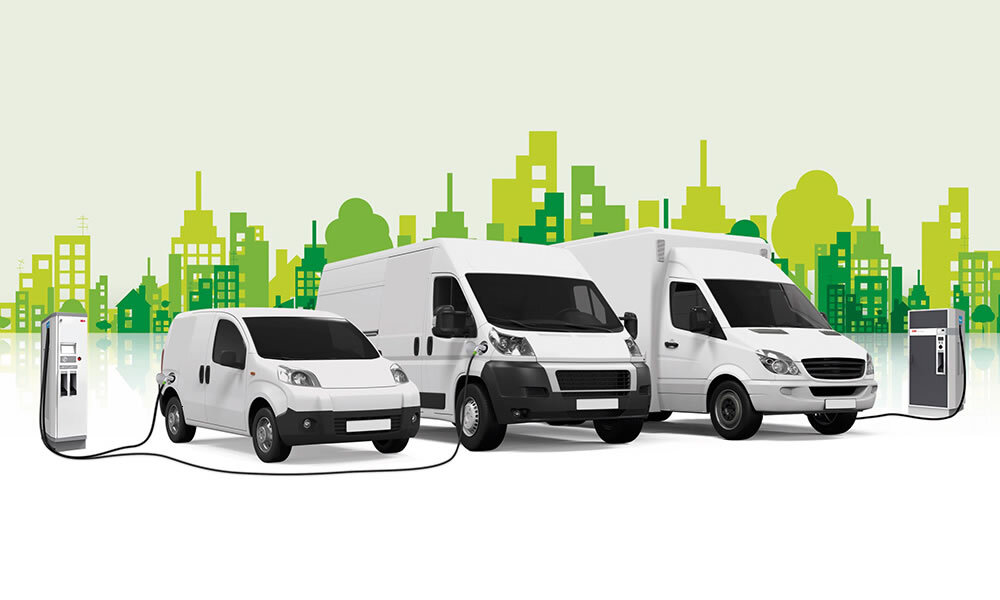
Modern transportation is experiencing a profound transformation as companies prioritize sustainability and efficiency. Fleet electrification, powered by innovations in technology and growing corporate environmental goals, is now a viable solution for organizations determined to reduce emissions and cut operational expenses. One pivotal move in this transition is the adoption of dedicated EV fleet charging infrastructure, which streamlines the shift to electric vehicles while ensuring convenient, scalable solutions for business fleets.
With governments and industries aiming to achieve aggressive emissions targets, electrifying company fleets delivers clear benefits. Businesses that embrace electrification are not only meeting regulatory requirements but also improving the total cost of ownership and gaining public favor by showcasing their commitment to sustainability. As enterprises reposition their priorities, they’re recognizing that a strategic approach, such as one supported by purpose-built charging solutions and collaborative efforts, can unlock both economic and environmental rewards.
Yet, while the advantages are compelling, organizations still face barriers such as the up-front cost of vehicle acquisition, charging logistics, and the challenge of finding the right vehicle types for diverse fleet needs. As the number of available electric models expands and infrastructure investments scale up, such challenges are easier to overcome with careful planning and the right technological partnerships.
This shift towards electrification comes as fleets face mounting market and societal pressure to decarbonize quickly. Fleets that act early position themselves to access incentives, learn from pilot projects, and gain a long-term competitive edge. As businesses strive for seamless fleet operations, they are turning to holistic electrification platforms and partnerships for guidance through every step of the process.
Understanding Fleet Electrification
Fleet electrification replaces gasoline or diesel-powered vehicles with electric vehicles (EVs) within corporate and municipal fleets. The electrification process is motivated by emission reduction goals, cost-cutting ambitions, and the need to align with global sustainability standards. Electric vehicles not only reduce fossil fuel dependency but also improve fleet reliability and reduce exposure to volatile fuel prices, leading to greater long-term cost predictability.
Benefits of Electrifying Fleets
Organizations that transition to electric fleets tap into a range of compelling advantages:
- Environmental Impact: Replacing internal combustion engines with EVs eliminates tailpipe emissions, which improves air quality and helps mitigate climate change impacts. This is essential given global transport’s significant contribution to greenhouse gas emissions.
- Cost Efficiency: EVs have fewer moving parts, resulting in lower long-term maintenance costs and reduced spending on fuel. Over time, these savings typically offset the higher up-front investment in electric vehicles and charging equipment.
- Regulatory Alignment: As cities and states tighten emissions standards and introduce zero-emission zones, early fleet electrification allows companies to proactively align with regulatory frameworks, avoiding penalties and gaining access to incentives or grants.
Challenges in Fleet Electrification
The transition to an electric fleet requires a careful navigation of several obstacles:
- Charging Infrastructure: Building charging networks for medium and large fleets is capital-intensive and necessitates precise operational planning. Fleet operators must identify optimal locations, install scalable hardware, and ensure that grid capacity meets current and future charging demand.
- Vehicle Selection: Fleet electrification is sometimes constrained by the limited range or unavailability of certain vehicle categories, especially in heavy-duty applications. However, rapid advancements and broader product offerings increasingly enable diverse use cases, as major manufacturers ramp up EV production.
- Upfront Investment: Initial capital outlays can be a sticking point. Although the total cost of ownership over a vehicle’s lifetime often justifies the transition, businesses must carefully evaluate financing options, government incentives, and scalable procurement strategies.
Innovative Solutions and Partnerships
Forward-thinking companies are adopting inventive strategies and forming industry alliances to speed up fleet electrification. For instance, microgrid technologies are advancing, enabling carbon-free, resilient charging options that can optimize power consumption and strengthen operational continuity. As highlighted in recent collaboration news, Duke Energy and Electrada’s microgrid initiative enables commercial fleets to access reliable, carbon-neutral charging solutions.
Comprehensive digital fleet management platforms offer a single interface for EV fleet operators, from route planning and charging management to battery lifecycle optimization. Such platforms streamline the shift toward electrification by automating operational insights, providing real-time data, and enhancing the efficiency of electric fleet deployments.
Additionally, training programs and workshops held by charging solution providers are helping organizations upskill drivers and fleet managers, ensuring smooth transitions and increased confidence. These educational initiatives can cover topics such as optimal battery management, troubleshooting charging issues, and maximizing vehicle uptime. The intellectual capital developed through such initiatives contributes to the long-term operational success of the electrified fleet while building a culture of environmental awareness within the organization.
Steps to Transitioning Your Fleet
- Assessment: Conduct a fleet-wide analysis to identify segments that are best suited for electrification based on usage patterns, route needs, and vehicle types.
- Strategic Planning: Develop a phased roadmap covering procurement, charge site selection, budgeting, and personnel training. Collaboration with utility companies and charging solution providers is essential for successful scaling.
- Implementation: Roll out electrification in stages. Starting with pilot projects or select vehicle classes allows organizations to monitor results and fine-tune processes before a full-scale transition.
- Continuous Monitoring: Install telematics and analytics tools for ongoing tracking, maintenance scheduling, and energy optimization, ensuring the fleet operates at peak efficiency and cost savings are maximized.
Conclusion
Fleet electrification is not just a trend; it represents a long-term opportunity to drive sustainability, reduce costs, and future-proof transportation operations. By addressing challenges proactively and leveraging partnerships and advanced technology, organizations can lead the way toward a cleaner and more efficient transportation landscape. Companies that move quickly will secure access to incentives while supporting broader climate action and societal goals.
The transition to an all-electric fleet may seem complex, but each milestone, whether it’s the first vehicle, the installation of charging stations, or the expansion to serve new territories, brings organizations closer to a resilient, lower-carbon future. With continuous innovation and support, fleet electrification is set to reshape mobility standards for years to come.