
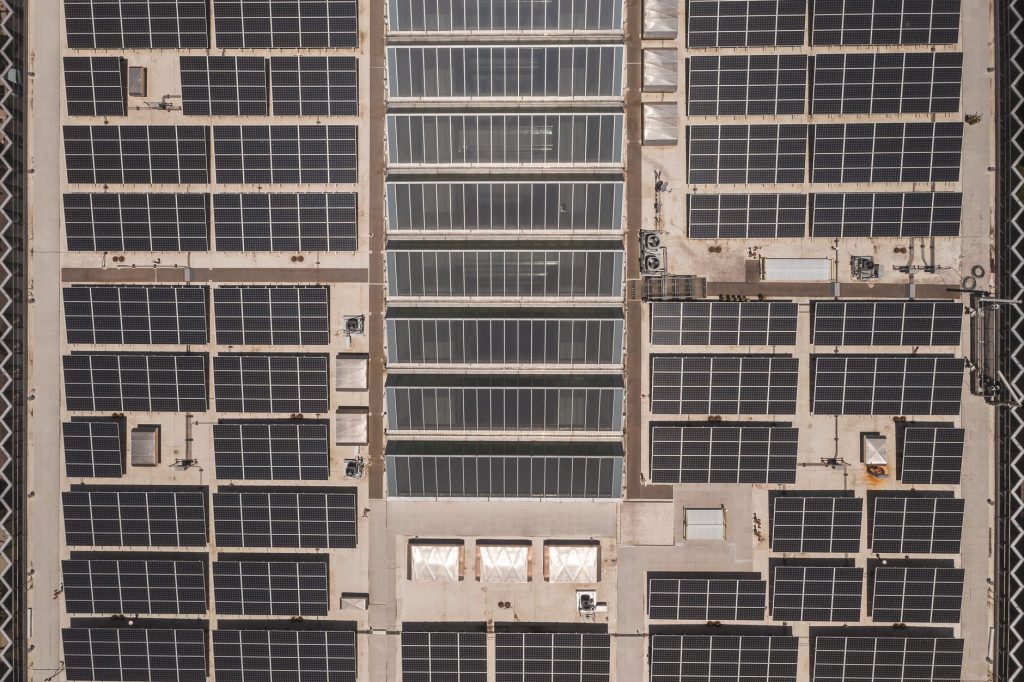
As homeowners look for ways to reduce living costs and create more sustainable homes, solar panels continue to grow in popularity. Advances in technology, falling installation costs, and increasing awareness of renewable energy have made solar power a practical option for many households. Whether you are building a new home or upgrading an existing property, investing in solar panels could provide long-term financial and environmental benefits.
While every home is different, understanding the advantages and considerations involved can help you decide whether solar energy is the right fit for your lifestyle.
Why More Homeowners Are Choosing Solar
Electricity is one of the largest ongoing household expenses, and many people are looking for ways to reduce their reliance on traditional power providers. Solar panels allow homeowners to generate electricity directly from sunlight, providing an alternative source of energy that can significantly reduce monthly utility bills.
Unlike fossil fuels, sunlight is a renewable resource that does not run out. Once a solar system is installed, your home can generate clean energy every day that the sun shines. Although you may still draw power from the electricity grid when needed, producing some or most of your own electricity can lead to noticeable savings over the life of the system.
Many homeowners also appreciate the peace of mind that comes with greater energy independence, particularly during periods of rising electricity prices.
Understanding How Solar Systems Work
A residential solar system is made up of several components working together. The solar panels capture sunlight and convert it into direct current (DC) electricity. An inverter then converts this into alternating current (AC), which powers the appliances and electrical systems throughout your home.
During sunny periods, your home will use the electricity produced by the panels first. If the system generates more power than your household is consuming, the excess electricity may be exported to the local electricity grid, depending on the regulations in your area.
If you install a battery storage system, any surplus electricity can be stored for later use. This allows you to use your own solar energy after sunset or during cloudy weather, reducing your reliance on grid electricity even further.
The Financial Benefits Over Time
Although solar panels require an upfront investment, they should be viewed as a long-term improvement rather than a short-term expense. Over many years, lower electricity bills can help offset the installation cost.
The exact savings will depend on factors such as your location, the amount of sunlight your property receives, your household's electricity usage, and the size of your solar system. Homes that use more electricity during daylight hours often gain the greatest financial benefit because they consume more of the power generated by their panels.
Some governments and electricity providers also offer financial incentives, rebates, or feed-in programs that can improve the overall return on investment.
Factors to Consider Before Installation
Not every property is identical, so it is important to have your home professionally assessed before committing to a solar system.
Roof orientation plays an important role in determining how much sunlight the panels will receive throughout the day. Roof pitch, available surface area, and nearby trees or buildings that create shade can also affect performance.
The condition of your roof should also be considered. If significant roof repairs are likely within the next few years, it often makes sense to complete those repairs before installing solar panels to avoid the additional cost of removing and reinstalling the system later.
A qualified installer can estimate your home's expected energy production and recommend the most suitable system size.
Should You Add Battery Storage?
Battery storage is becoming increasingly popular as prices continue to fall. While batteries add to the initial installation cost, they can increase the amount of solar energy you actually use.
Instead of sending excess electricity back to the grid during the day, the battery stores it for later use. This can be particularly useful during the evening when many households have their highest electricity demand.
Some battery systems can also provide limited backup power during certain types of power outages, offering an extra level of convenience and security.
For homeowners who want greater energy independence, combining solar panels with battery storage can be an attractive option.
Choosing Quality Over Price
When comparing quotes, it can be tempting to choose the lowest price. However, solar panels are designed to remain on your roof for decades, making quality an important consideration.
Look beyond the purchase price and consider the efficiency of the panels, the reputation of the manufacturer, warranty periods, and the experience of the installer. A well-designed system using reliable equipment is more likely to provide consistent performance over many years.
Reading customer reviews and obtaining multiple quotes can help ensure you make an informed decision.
A Smart Investment for the Future
Solar panels represent more than just an environmentally friendly home improvement. They are an investment in reducing future household expenses while contributing to cleaner energy production.
As technology continues to improve, residential solar systems are becoming more efficient, more reliable, and increasingly affordable. For many homeowners, installing solar panels is a practical way to take greater control of energy costs while adding value to their property.
Whether your goal is saving money, reducing your environmental impact, or preparing your home for the future, solar panels offer a solution that can continue delivering benefits for many years to come. With careful planning and the right installation, making the switch to solar could be one of the most rewarding home improvements you undertake.