
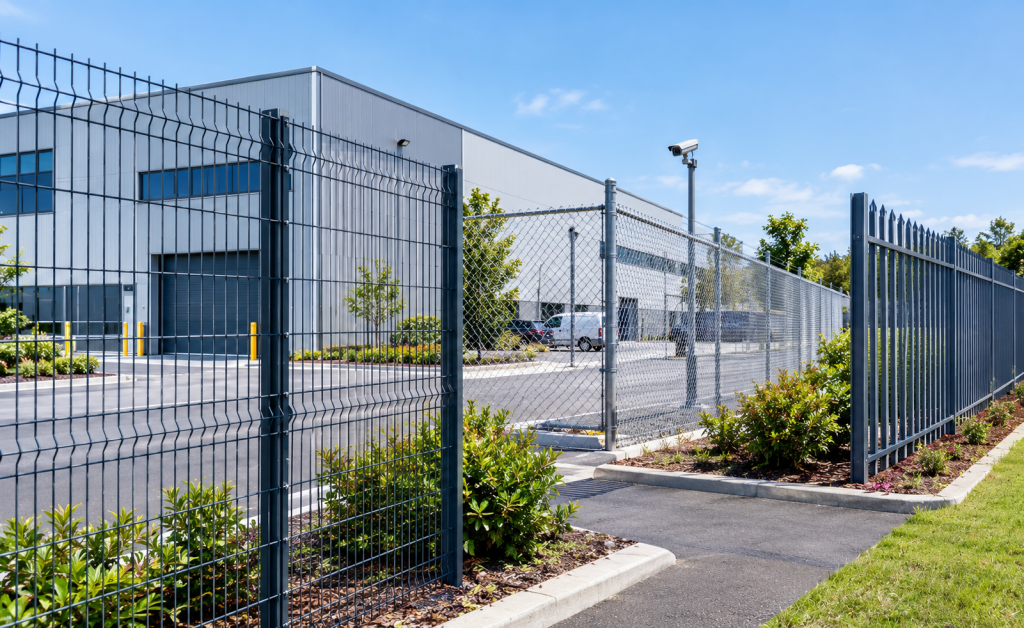
Choosing fencing for a commercial property sounds dull until you realise the decision follows you around for a decade or more. It shapes your security, it colours how visitors read your business, and it quietly nibbles at your budget long after the invoice is paid. There’s a lot on offer too, from humble chain link to gleaming steel, so a little homework pays off before you sign anything.
This guide lines up welded mesh against the popular alternatives, so Australian business owners can decide with clear eyes.
What Is Welded Mesh Fencing?
Welded mesh is made by fusing horizontal and vertical wires at every intersection. The result is a rigid grid that’s surprisingly strong for its weight. Woven wire products don’t do this, which is why they tend to loosen and slump. Welded joints hold their shape, even when something leans on them.
You’ll spot welded mesh wire fencing panels around warehouses, industrial yards, schools, and shopfronts all over the country. Three things explain its popularity:
- Durability that shrugs off knocks and weather
- Clear sightlines that make casual surveillance easy
- A price that won’t quietly detonate your budget
For owners weighing security against cost, it usually lands in a comfortable middle.
Chain Link Fencing
Chain link is everywhere. Sports courts, storage yards, building sites, you name it. That diamond weave is cheap to make and fast to put up, which is exactly why temporary and tight-budget jobs keep reaching for it.
The catch is longevity and looks. Chain link sags. It’s not hard to cut through. And it rarely suits a customer-facing frontage, where appearances actually count. If real security matters to you, rather than the appearance of it, chain link tends to disappoint.
Vinyl Coated Fencing
Vinyl coated fencing starts with a wire base and wraps it in a polymer coating. That coating does two jobs: it sharpens the look, and it fends off corrosion. Colours come in a decent range, so matching your branding or softening the streetscape is straightforward.
The upside is a clean finish, and very little maintenance, since rust and weathering can’t easily get a foothold. The downside? You pay more upfront than for plain wire, and your options for panel sizes and configurations can be narrower than you’d like.
Wood Fencing
Wood brings something metal simply can’t fake: warmth. Hospitality venues, offices, and any business chasing a softer, more welcoming presence often land here.
That charm asks for something in return. Timber needs regular staining or sealing, or rot and insects will find it. It also won’t outlast metal under Australia’s punishing sun and rain. Still, if privacy and appearance matter more to you than hardcore security, wood earns its place.
Steel and Aluminium Fencing
At the top end sit steel and aluminium, which pair serious strength with a sleek, modern edge. Think corporate headquarters or high-value storage, places where both security and first impressions carry real weight.
Naturally, there’s a price. These systems want a bigger upfront spend and professional installation, which stretches timelines and labour costs. If your budget matches your ambitions, though, you get a fence that protects and impresses in one go.
Making the Right Choice for Your Business
No single fence wins for every property, so let your priorities lead.
- Need it cheap and fast? Chain link does the job.
- Chasing kerb appeal? Vinyl-coated or wood may suit you better.
- Want strength, visibility, and value together? Welded mesh keeps coming out ahead.
Before you commit, walk your site, jot down what actually matters, and gather a few quotes. A fence is more than a boundary line. It’s a long-term investment in your property’s security, and in how the world sees your business.