
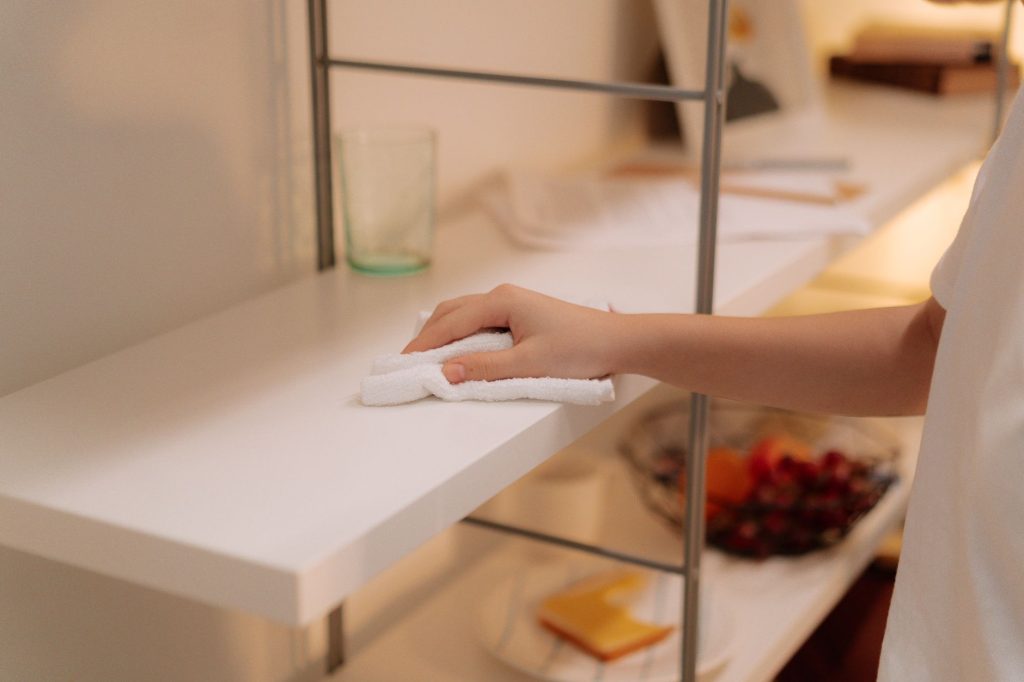
A home rarely becomes difficult to clean overnight. The bigger problem usually starts with small things that keep getting postponed: crumbs left under the table, soap residue drying on the shower wall, dust collecting behind furniture, or laundry piling up in a chair. None of these feels urgent on its own. After a few weeks, though, they start combining into a much bigger job.
Regular cleaning keeps those small jobs small and makes it easier to maintain a cleaner and more comfortable house without turning housekeeping into an all-day project. Instead of spending an entire Saturday scrubbing, sorting, wiping, and catching up, a household stays closer to a comfortable baseline.
Dirt Gets Harder to Remove With Time
Fresh messes are usually easier to deal with than old ones.
Grease on a kitchen backsplash wipes away fairly quickly when it is recent. After repeated cooking, that same grease collects dust and becomes sticky. Soap residue in a shower behaves similarly. A light film takes little effort to remove, while neglected buildup often needs repeated scrubbing.
Floors tell the same story. Dust, pet hair, crumbs, and grit settle into corners and along baseboards when vacuuming is delayed. Shoes then carry some of that debris into other rooms.
Cleaning regularly reduces the amount of hardened, layered dirt that needs attention later.
Ten Minutes Today Beats Two Hours Later
Small cleaning habits fit into ordinary routines much more easily than large cleanup sessions.
Wiping kitchen counters after dinner takes only a few minutes. Putting clothes away before they become a pile requires less effort than sorting a crowded chair or bedroom floor days later. Cleaning the bathroom sink regularly prevents toothpaste, hair, dust, and water spots from turning into a stubborn layer.
The difference is mostly accumulation. Each skipped task adds another layer to the next cleaning session.
This is why people who clean regularly often spend less time cleaning even though they do it more frequently. The individual jobs stay short.
Clutter Makes Cleaning Slower
Cleaning gets harder when every surface has objects on it.
Before wiping a table covered with mail, cups, chargers, receipts, and random household items, everything has to be moved. Vacuuming takes longer when shoes, toys, bags, and clothes need to be picked up first.
Regular tidying keeps these obstacles under control.
It also becomes easier to notice where dirt is collecting. A clear bathroom counter shows water spots immediately. An uncluttered floor makes dust and crumbs obvious. Small messes are more likely to be handled before they spread.
Fun fact: Household dust contains more than dirt tracked in from outside. It often includes fabric fibers, skin cells, pollen, hair, and tiny particles brought indoors through normal daily activity.
Bathrooms and Kitchens Punish Procrastination
Some rooms become noticeably harder to clean when maintenance is delayed.
Kitchens collect grease, food residue, crumbs, fingerprints, and splashes every day. Bathrooms deal with moisture, soap residue, hair, toothpaste, and mineral deposits.
Waiting too long gives these materials time to dry, harden, or collect in places that are difficult to reach.
A quick wipe around a sink is simple. Removing weeks of residue around the faucet takes longer. Cleaning a stovetop after regular use is manageable. Scraping away cooked-on grease after repeated neglect is a different job entirely.
Frequent attention keeps these rooms from reaching that stage.
Regular Cleaning Also Protects Surfaces
Built-up dirt does more than make a room look untidy.
Grit on floors creates abrasion under shoes and furniture. Grease sticks to painted surfaces and cabinets. Hard-water deposits leave stubborn marks around fixtures. Food spills left on countertops sometimes stain porous materials.
Removing debris before it sits for long periods reduces unnecessary wear.
The same principle applies to furniture and textiles. Regular vacuuming removes particles before they settle deeper into rugs, upholstery, and fabric.
Professional Cleaning Is Easier to Fit Into a Routine
Professional home cleaning services are especially useful for households that struggle to maintain a consistent schedule. Regular appointments make it easier to prevent dirt and clutter from building up between deeper cleaning sessions, according to Cleaner Vibe.
Instead of waiting until the home feels overwhelming, scheduled cleaning keeps major rooms under control at predictable intervals. Kitchens, bathrooms, floors, surfaces, and other frequently used areas receive regular attention before buildup becomes severe.
That also changes what residents need to handle between visits. Small daily tasks stay manageable because there is less catching up to do.
Professional cleaning does not need to be reserved for a home that has already become difficult to manage. In many households, its biggest advantage comes from preventing that situation in the first place.
A Cleaner Home Requires Less Recovery Work
The easiest cleaning routine is usually the one that stops messes from becoming projects.
A wiped counter stays easier to wipe. A regularly vacuumed floor never develops the same buildup as one ignored for weeks. A bathroom cleaned on schedule rarely needs an exhausting rescue session.
Regular cleaning turns housekeeping into maintenance rather than recovery. That difference is what keeps a normal mess from becoming the kind that takes an entire day to undo.