
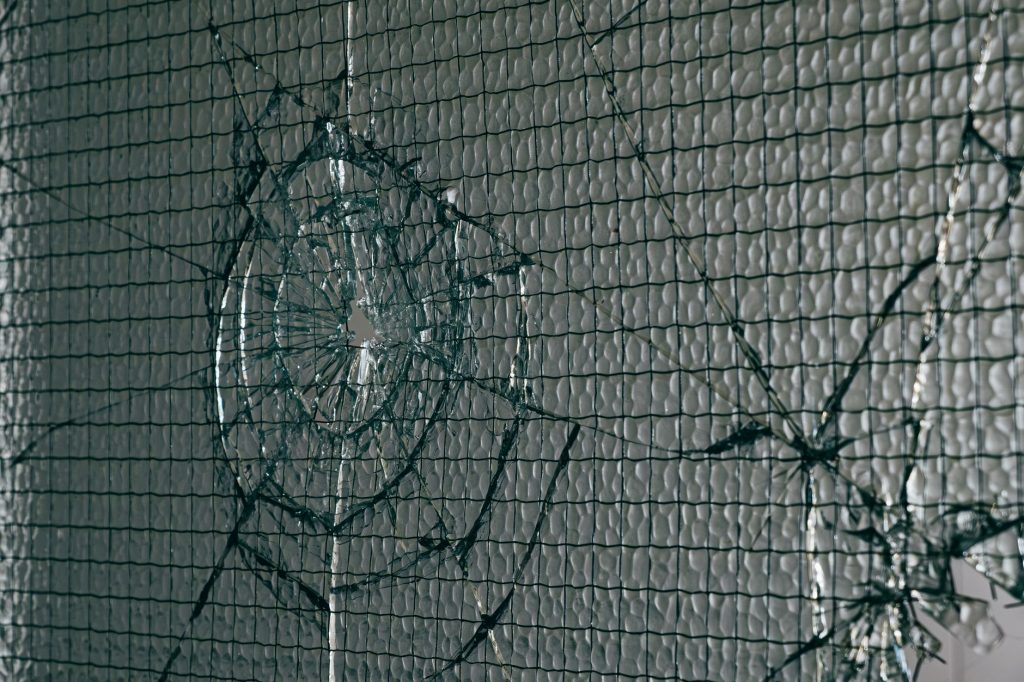
During severe storms, standard glass windows are often a primary vulnerability, as wind-driven debris can easily shatter them and leave a home exposed to the elements. Unlike traditional glass, impact-resistant windows are engineered to maintain structural protection even when fractured. For homeowners evaluating residential window solutions, these specialized assemblies offer key security advantages through their distinct multi-layered design.
The Glass Is Only Part of the System
Impact windows typically use laminated glass made from multiple layers bonded around a durable interlayer. The concept is somewhat similar to automotive safety glass: a hard strike may crack the glass, but the broken pieces are more likely to remain attached to the internal layer instead of separating and leaving an open hole.
That distinction matters during a major wind event. Once a window opening is breached, wind can enter the house and dramatically change the pressure acting on walls, ceilings, and the roof. An impact-resistant assembly is intended to reduce the possibility of that sudden opening by keeping damaged glass largely contained within the frame.
The frame is equally important. Strong glass installed in an inadequate frame would not provide the intended level of protection, so impact-rated products are engineered and tested as complete assemblies. Frames, fasteners, glazing materials, and installation methods all contribute to how the finished window handles stress.
Impact Resistance Does Not Mean Indestructible
The term “impact window” can sometimes create the impression that the glass cannot break. That is not really the goal. Under a sufficiently powerful strike, an impact window may crack extensively while still performing its primary function: remaining in place rather than creating a large exposed opening.
That difference is one reason homeowners should pay attention to testing standards, product documentation, and installation requirements rather than judging windows by appearance alone. Because replacement-window information is often encountered through advertising and lead-generation channels, http://www.windowrevenue.com emphasizes that it is worth separating general marketing claims from verified performance data. When storm protection is a priority, tested ratings, proper installation, and realistic expectations provide a much clearer basis for comparing different options.
Installation Can Determine How Well the Window Performs
Even a properly tested window must be installed correctly to perform as intended. The surrounding opening has to be suitable, the unit must be positioned accurately, and the fastening method needs to match the approved installation requirements. Connections between the window and the structure are especially important because storm forces affect the entire assembly, not just the glass.
Water management deserves attention as well. Windows are expected to deal with ordinary rain throughout the year, while severe storms may combine heavy rain with intense wind pressure. Flashing, sealants, drainage paths, and the condition of the surrounding wall can influence whether water finds its way indoors. Replacing a window without addressing deteriorated materials around the opening can leave weaknesses that have little to do with the new glass itself.
For that reason, homeowners should think of impact-window installation as a building-envelope project rather than a simple glass replacement. Measurements, structural attachment, sealing, and finishing all need to work together. A window that looks perfectly installed from inside the room may still underperform if critical details around the exterior opening were overlooked.
The Benefits Continue After Storm Season
Storm resistance may be the main reason someone considers impact windows, but laminated glass can also provide useful everyday benefits. The thicker construction can reduce some outside noise, which may be noticeable in homes near busy roads or other consistently noisy areas.
Modern window assemblies can also be configured with energy-efficiency features intended to limit unwanted heat transfer and improve indoor comfort. Performance varies by glass package, frame material, coatings, orientation, and climate, so impact resistance and energy efficiency should be evaluated as separate specifications rather than assuming one automatically guarantees the other.
Another practical advantage is convenience. Temporary storm protection systems generally require preparation before severe weather arrives. Permanently installed impact-resistant windows remain in place, removing the need to cover each protected opening whenever a storm threatens. Some homeowners consider that especially valuable when properties have many windows, upper-story openings, or areas that would otherwise be difficult to secure quickly.
Compare Ratings Instead of Relying on Labels
Not every window marketed as stronger or storm-ready necessarily provides the same level of tested performance. Before choosing a product, homeowners should check which standards the complete window assembly has been evaluated against and whether it meets the requirements that apply to their building.
It is also important to look beyond the window itself. Existing opening conditions, permits, installation specifications, warranties, and the contractor’s experience with impact-rated products can all affect the finished project. If several windows are being replaced, comparing complete proposals rather than simply comparing unit prices can reveal meaningful differences in glass packages, frames, installation work, and finishing details.
A Window Upgrade Should Be Viewed as a Complete System
Hurricane impact windows are designed around a straightforward principle: keeping the building envelope better protected when ordinary glass might fail. Their laminated construction can help hold shattered glass together, but meaningful storm performance depends on the frame, hardware, structural attachment, and surrounding opening working as a complete system.
For homeowners considering replacement windows, the most useful approach is to look beyond dramatic claims about unbreakable glass. Understanding how a product was tested, how it will be installed, and how it fits the needs of the house provides a much clearer picture of what the upgrade can realistically accomplish.