
A garage door can keep working long after it stops working well. Small delays, extra noise, cosmetic damage, and increasingly frequent adjustments may develop gradually enough to seem normal. The right response also depends on the type of door and how it is used; a residential sectional door has different demands from lightweight rolling garage doors designed around compact operation and frequent access. Rather than relying on age alone, it makes more sense to consider the condition and performance of the entire system.
Start by Comparing Repair With the Bigger Picture
A single repair does not necessarily mean a door needs to be replaced. Springs, rollers, cables, sensors, and opener components can wear independently, and replacing one faulty part may restore reliable operation for years. The more important question is whether the repair addresses an isolated problem or simply postpones another failure.
Repeated service calls change the calculation. If one component is repaired only for another aging part to cause trouble shortly afterward, the system may be reaching a stage where continued repairs are less practical. Keeping a record of problems and maintenance costs can make this easier to judge. Several unrelated failures within a relatively short period often tell a different story than one worn spring on an otherwise sound door.
Pay Attention to Changes in Movement and Sound
Garage doors contain multiple moving components, so completely silent operation is unrealistic. What matters is a noticeable change. New grinding, scraping, banging, shaking, or rattling should not simply be dismissed because the door still opens. These symptoms can indicate worn hardware, poor alignment, loose components, or increased strain somewhere in the system.
Movement can be just as revealing. A door that hesitates before moving, stops unexpectedly, travels unevenly, or has become significantly slower may need attention. Sometimes the cause is straightforward and repairable. In other cases, an inspection may show that several parts are deteriorating together. Having the whole assembly evaluated rather than focusing only on the most obvious symptom helps distinguish a manageable repair from a system that is becoming unreliable. A service assessment from El Paso Garage Door Repair, serving El Paso, TX, can cover repair, installation, and opener-related issues rather than treating the door panel as the only possible source of trouble.
Look Beyond Whether the Door Still Opens
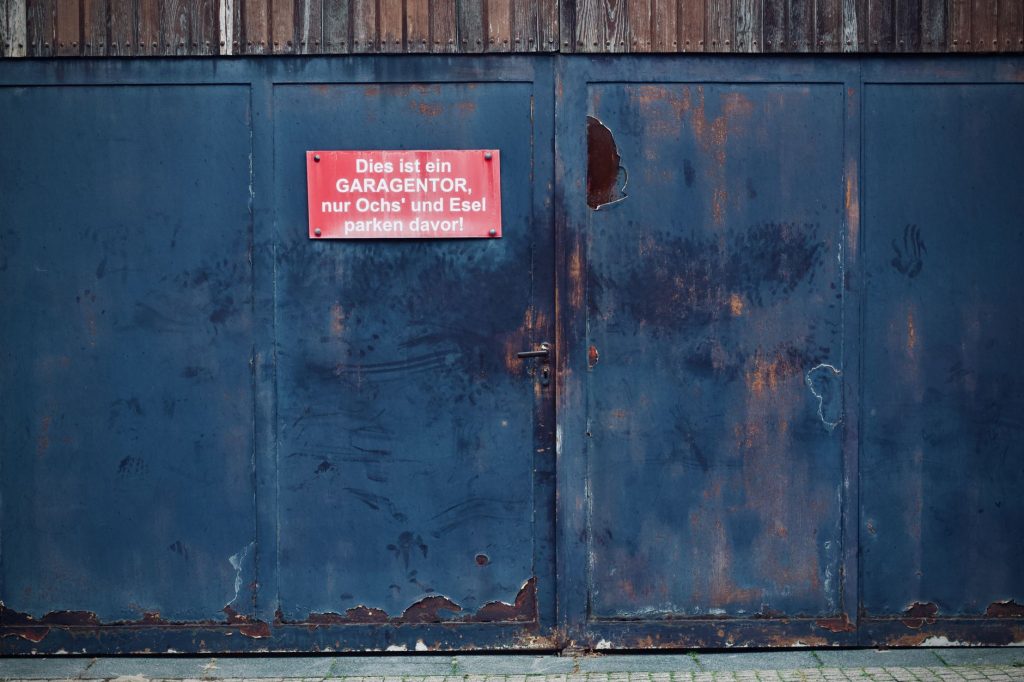
Physical deterioration is one of the clearest reasons to reconsider an older door. Corrosion, cracked panels, significant dents, warped sections, damaged seals, and sagging can affect more than appearance. A door that no longer sits correctly in its opening may place extra stress on tracks, rollers, hinges, or the opener during every cycle.
The surrounding conditions matter as well. An attached garage may benefit from a door that seals and insulates more effectively, particularly when rooms share walls or ceilings with the garage. Damaged weather seals, gaps around the perimeter, or poorly insulated older panels can make indoor temperatures harder to control. Replacement may therefore solve several problems at once when the existing door has structural, sealing, and operational shortcomings.
Safety and Security Deserve Their Own Review
Older equipment should also be judged by whether its safety features still operate correctly. Modern automatic garage door systems generally rely on mechanisms intended to stop or reverse the door when an obstruction is detected. Sensors that are damaged, unreliable, incorrectly aligned, or repeatedly malfunctioning need attention even if the door otherwise appears usable.
Security can become another factor when an aging door no longer closes tightly, or its locking and access components are outdated or unreliable. A garage often provides direct access to stored belongings and, in many homes, another entrance into the living area. A door that can be forced out of position, does not close consistently, or depends on failing hardware can create a problem that extends beyond inconvenience.
Consider Whether Parts Are Becoming Difficult to Find
Repair is most practical when compatible replacement components remain readily available. With very old systems, discontinued hardware or obsolete opener components can complicate even relatively minor work. Substituting unsuitable parts is not a sensible way to extend the life of equipment that was designed around different specifications.
This does not mean every older garage door should be replaced preemptively. A well-maintained door with available parts and no major structural problems may still have plenty of useful life. The tipping point usually comes when age is combined with recurring failures, worsening operation, significant physical deterioration, or equipment that is increasingly difficult to support.
Make the Decision Based on the Whole System
The best repair-or-replace decision comes from looking at the door as a complete operating system. Consider the panels or curtain, tracks, springs, cables, rollers, opener, controls, seals, and safety equipment together. A relatively new door with one failed component is a very different situation from an aging assembly in which several elements are approaching the end of their service life.
Replacement makes the most sense when it resolves multiple persistent problems rather than merely satisfying a desire for something newer. If the existing system remains structurally sound, safe, and dependable, targeted repairs may be all that is necessary. When problems begin stacking up, however, replacing the door can provide a cleaner long-term solution than continuing to repair one aging component after another.