
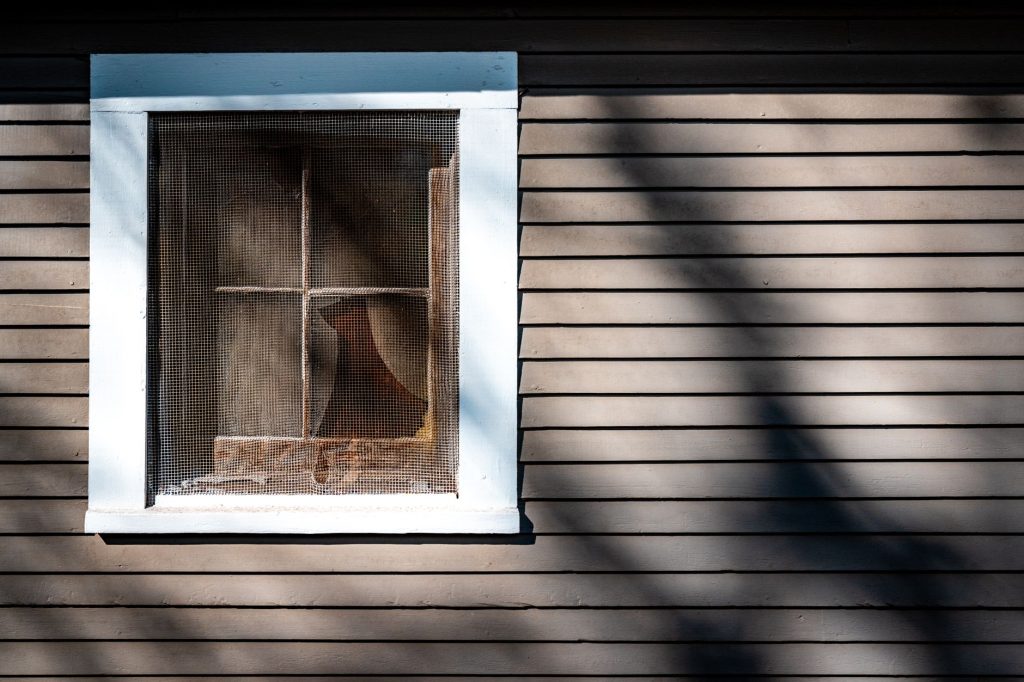
Window screens do a simple job, but a small tear, loose edge, or bent frame can quickly turn an otherwise functional window into a frustrating one to use. Screens keep insects and windblown debris outside while allowing fresh air through, so their fit matters almost as much as the condition of the mesh itself. A minor repair may be enough in some cases, while damaged frames, unusual window dimensions, or retractable designs can make professionally fitted window screening a more practical approach. Knowing what has failed is the first step toward choosing the right repair.
A tiny puncture in otherwise sound mesh does not always justify replacing the entire screen. Small holes can sometimes be patched neatly, particularly when they are away from the edges and the surrounding material remains strong. Replacement becomes more sensible when the mesh has several tears, has pulled away from the frame, or has become brittle enough that new damage appears whenever it is handled. A screen that looks faded or stretched may also be nearing the end of its useful life even if it has not yet developed a large opening.
Start With the Frame, Not Just the Mesh
It is easy to focus on a visible tear and overlook the structure holding the screen in place. Before buying replacement mesh, remove the screen if possible and check whether the frame remains square, the corners are secure, and the channels that hold the screen material are intact.
A frame that is badly bent can make new mesh difficult to tension evenly. Even if the material looks smooth on a work surface, it may wrinkle, sag, or pull away once the frame is returned to the window. Hardware deserves attention too. Worn tabs, clips, springs, or tracks can make a perfectly good screen difficult to remove and reinstall. When several components are damaged, replacing or repairing the complete assembly may produce a better result than simply installing fresh mesh.
The type of screen also affects the repair. Traditional fixed screens generally use mesh held in a frame by spline, while retractable systems store the material inside a housing when it is not being used. Retractable designs can preserve an unobstructed view when the screen is open and can be configured for different types of windows, but their mechanisms and custom sizing make them different from a basic rescreening project.
Good Rescreening Depends on Even Tension
For a conventional framed screen, replacing the mesh usually means removing the old spline, taking out the damaged material, cleaning the frame, and laying new screening across it. Extra material should extend beyond the frame so there is enough room to secure it before trimming the edges. The important part is keeping the mesh firm without pulling so aggressively that the frame bows.
Installing the spline gradually helps maintain consistent tension around the perimeter. Corners deserve particular attention because loose material often becomes noticeable there first. If the screen frame itself needs adjustment, damaged trim needs attention, or several other household issues have accumulated at the same time, arranging small home repairs near me can make sense when the job extends beyond straightforward screen replacement. Minor window adjustments, worn caulking, sticking doors, and similar maintenance tasks often fall into the same general category of manageable household repairs.
Once the spline is seated properly, excess mesh can be trimmed close to the channel with a sharp utility knife. The blade should be controlled carefully so it does not cut into the newly installed material or damage the spline. Before putting the screen back, it is worth checking that the mesh lies flat and that no section has developed a wave or unusually tight area. Correcting uneven tension at this stage is easier than discovering the problem after everything is reinstalled.
Material Choice Changes How a Screen Performs
Not every screen mesh behaves the same way. Fiberglass is widely used because it is flexible and relatively forgiving during installation. Aluminum is firmer and can resist sagging well, although its stiffness may make careful installation more important. Other mesh types are designed to reduce sunlight, increase privacy, improve visibility, or withstand heavier use.
The room itself can help determine what makes sense. A window facing a pleasant view may benefit from mesh designed to be less visually noticeable, while a window exposed to strong afternoon sun might call for more solar control. Areas where pets or children regularly come into contact with the screen may put durability higher on the priority list. There is rarely one material that is ideal for every opening in a house.
Measure Before Committing to a Replacement
A screen that is only slightly too large or too small can be surprisingly troublesome. When an existing frame is being replaced, its width and height provide useful starting measurements. If no screen is available to copy, the channels, tracks, and retaining edges of the window must be measured carefully so the new assembly can fit securely without binding.
Custom or unusually shaped windows deserve extra care because small measuring errors become more noticeable. The same applies when changing from one screen style to another. Retractable screens, for example, rely on housings and operating mechanisms rather than simply sitting permanently across an opening, so accurate fitting is especially important for smooth operation.
Maintenance Can Delay the Next Repair
Screens tend to collect pollen, dust, cobwebs, and outdoor debris over time. Gentle cleaning helps keep the mesh clear and also creates an opportunity to spot small problems before they become major tears. A soft brush, vacuum attachment, or mild soap-and-water cleaning is usually preferable to aggressive scrubbing that could stretch the material.
Periodic inspection is equally useful. Check that edges remain secure, frames sit properly in their tracks, and moving screen components operate without excessive resistance. A loose corner or small opening is much easier to address before repeated use enlarges it. With the right repair, accurate fit, and occasional maintenance, a window screen can continue doing its quiet job without becoming something homeowners have to think about every time they open a window.