
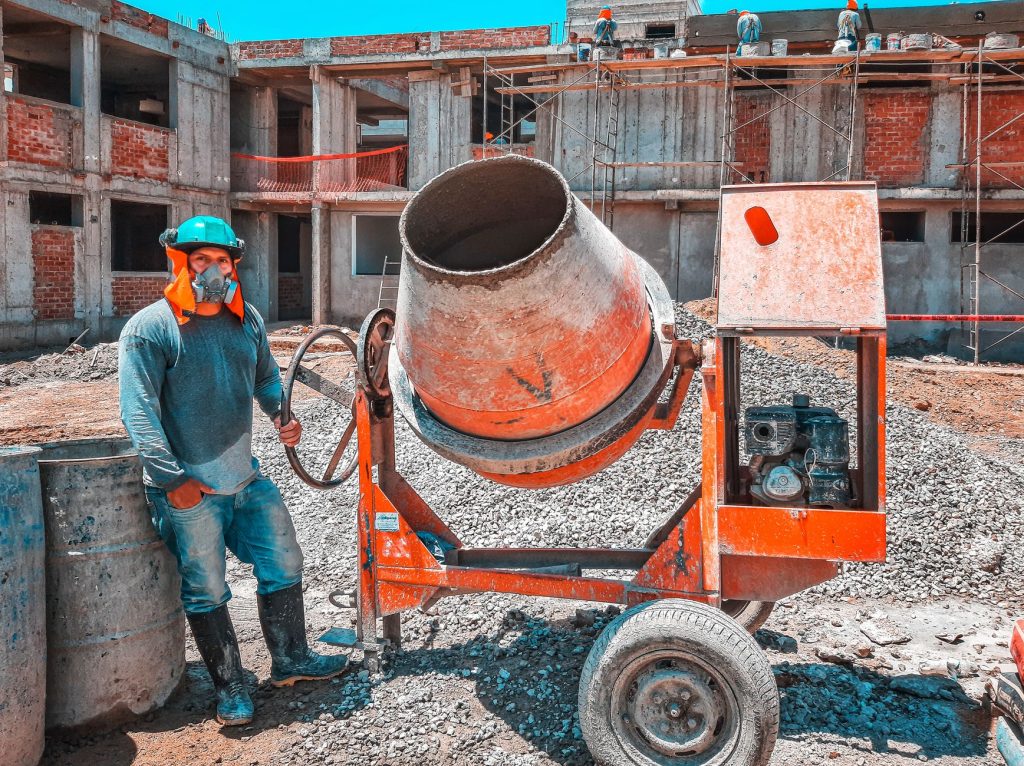
A construction site rarely becomes inactive just because the workday ends. Materials stay behind, equipment remains parked, temporary fencing surrounds unfinished areas, and access points often sit unattended for hours. Once crews leave, the site shifts from active production to after-hours protection, where patrol records and GPS tracking information make it easier to verify which areas were checked and when.
The Last Hour of the Shift Sets the Tone
Site security starts before the final worker leaves. Tools need to be returned to storage, machinery should be parked in designated areas, temporary power sources need to be checked, and gates should be closed according to the site plan.
Loose materials also deserve attention. Lumber, metal, wiring, fuel, and smaller equipment often attract theft because they are easy to remove and have resale value. Leaving these items scattered across the property makes it harder to tell whether something has been disturbed overnight.
The better organized the site is at closing time, the easier it becomes to spot unusual activity later.
Crew Records Should Be Closed Out Properly
Before the property shifts into after-hours mode, the administrative side of the workday also needs to be wrapped up. Crew hours have to be recorded against the correct job, supervisors need to review time entries, and labor tied to specific cost codes should be documented while the day is still fresh.
This gets more complicated on projects with rotating crews, multiple job sites, overtime, subcontractors, or workers moving between tasks during the same shift. The green leaf business solutions website focuses on the kinds of workforce records that matter in these situations, while inaccurate time entries create payroll problems and make job-cost reporting less reliable. Clean records also give supervisors a clearer picture of who was on site, when they left, and which crews are expected back the next day.
Gates and Fencing Need More Than a Quick Look
A locked gate does not automatically mean a secure perimeter. Construction fencing gets shifted, cut, loosened, or damaged during normal work. Gaps sometimes appear near delivery areas, temporary walkways, or sections where heavy equipment has passed.
A proper after-hours check looks at the entire boundary, not just the main entrance. Secondary gates, pedestrian access points, storage areas, and sections hidden from the street deserve the same attention.
Fun fact: Temporary construction fencing often changes position during the life of a project, especially as excavation, deliveries, and building access points change. That means perimeter checks need to follow the current site layout rather than an old map or routine.
Equipment Becomes a Different Risk After Dark
During working hours, machinery usually sits near crews, supervisors, and active work zones. After hours, that same equipment becomes isolated.
Excavators, generators, trailers, lifts, compressors, and tool storage containers should be checked as part of the closing routine. Keys should not remain in equipment, fuel access should be controlled, and portable items should be moved away from open edges or easy vehicle access.
Parking areas deserve attention too. Unfamiliar vehicles parked near the perimeter, especially late at night, are worth documenting. The same applies to doors, storage containers, and temporary structures that appear to have been moved or opened.
Patrols Fill the Gap Between Shifts
Large construction sites are difficult to monitor from a single fixed point. One entrance may be visible while the far side of the property remains completely out of view.
Mobile patrols address that problem by checking different parts of the site at scheduled or irregular intervals. A patrol may inspect gates, fencing, parking areas, equipment zones, lighting, storage containers, and other points identified as higher risk.
Randomized timing is often useful because it avoids creating an obvious pattern. If someone watches the property over several nights, a perfectly predictable route becomes easier to anticipate.
Detailed reporting matters here as much as physical presence. Notes about open gates, damaged fencing, suspicious vehicles, lighting failures, or signs of forced entry give site managers something concrete to review the next morning.
Alarm Response Needs a Clear Chain of Action
An alarm means little if nobody knows what should happen next.
Construction sites often use temporary alarms, motion detection, cameras, or monitored access points. If one of those systems triggers after hours, the response process should already be defined. That includes who receives the alert, who checks the property, who contacts emergency services if needed, and how the incident gets documented.
The same applies to false alarms. Repeated false alerts waste time and gradually reduce attention. Identifying the source and correcting it keeps the system useful.
Morning Starts With What Happened Overnight
The first crew arriving the next day should not have to guess whether anything happened after closing.
Overnight notes, patrol reports, alarm activity, damaged locks, moved equipment, or broken fencing should be reviewed before work begins. Even a small change matters if it affects access or safety.
A construction site never truly shuts down. The work simply changes. Once crews leave, the focus shifts to keeping the property intact, accounted for, and ready for the next shift.