
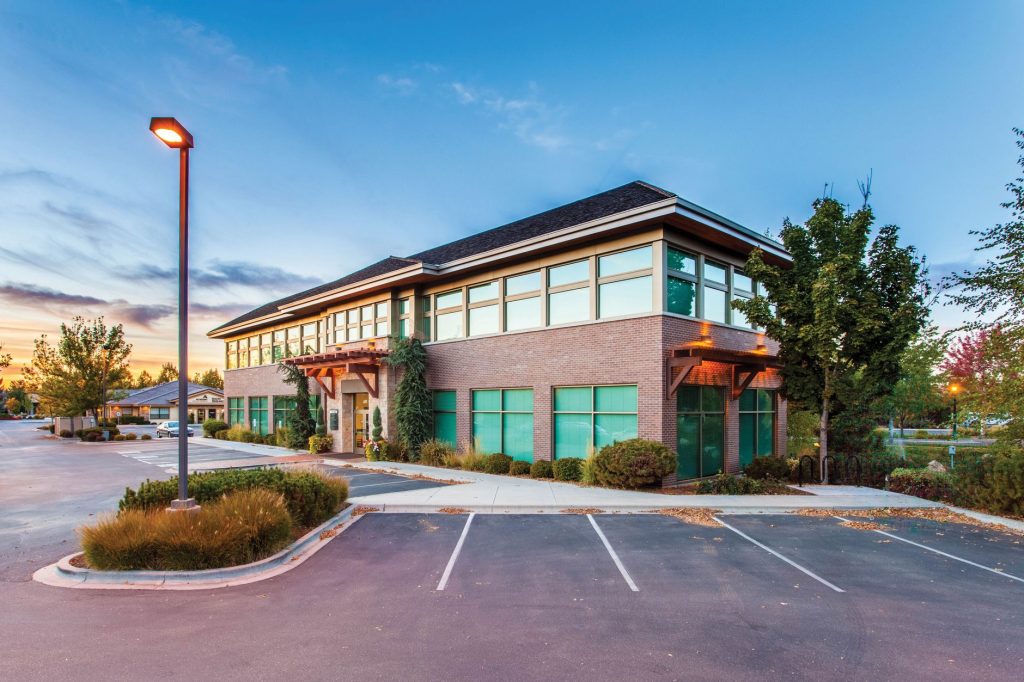
A major repair does not always mean an entire building has to shut down. In many cases, the bigger challenge is keeping the property usable while crews deal with the damaged system. That requires more than fixing the original problem. Temperature, moisture, access, safety, and day-to-day routines all need attention while the work is in progress.
The details change depending on the building, but the goal stays fairly simple: isolate the damaged area, protect the rest of the property, and keep essential spaces functioning until permanent repairs are finished.
Temporary Cooling Keeps Occupied Spaces Manageable
A failed cooling system quickly affects more than comfort. Offices become difficult to work in, equipment rooms overheat, and certain materials or products suffer when indoor temperatures rise too far. Larger buildings often depend on central cooling equipment that takes time to repair or replace.
Temporary cooling equipment fills that gap. During a prolonged system outage, building managers often contact Aerco Systems, San Diego, CA to arrange portable chiller rental units that connect to existing building systems while permanent equipment is being repaired. This keeps chilled water circulating through parts of the property that still need temperature control.
The setup depends on the building and the damaged equipment. Some properties only need cooling for a specific section, while others need temporary capacity for much larger occupied areas. Treating temporary cooling as part of the repair plan prevents a mechanical failure from turning into a full building closure.
Water Problems Rarely Stay in One Spot
A broken pipe, roof leak, failed appliance, or drainage problem often affects a larger area than the first visible puddle suggests. Water travels beneath flooring, through wall cavities, and along structural materials. By the time the source is stopped, moisture may already be sitting in places that are difficult to see.
Water damage restoration usually starts with removing standing water and identifying how far moisture has spread. Drying equipment then reduces moisture levels in affected materials and indoor air. Damaged drywall, insulation, flooring, or other materials sometimes need removal before repairs begin.
Keeping unaffected rooms open often depends on separating the damaged area from the rest of the building. Barriers, controlled access, and dedicated drying equipment reduce disruption while work continues.
Repair Work Changes How People Move Through the Building
A functioning building depends on more than working mechanical systems. Construction zones change normal traffic patterns, block entrances, create noise, and temporarily remove rooms from use.
Clear pathways become especially important in occupied properties. Repair crews need direct access to damaged areas without forcing building users through active work zones. Deliveries, waste removal, equipment movement, and emergency exits also need to remain organized.
In some cases, work is divided into phases. One section is repaired while another stays open, then operations shift as the project moves forward. This type of scheduling is often less disruptive than closing a large portion of the property at once.
Dust, Humidity, and Airflow Need Their Own Plan
Repairs often create conditions that were not present before the damage occurred. Removing drywall produces dust. Drying wet materials changes indoor humidity. Open walls and temporary barriers alter normal airflow.
These changes matter most when parts of the building remain occupied. Air scrubbers, temporary partitions, dehumidifiers, exhaust equipment, and adjusted ventilation help keep construction activity contained.
Humidity deserves special attention after water damage. A surface that feels dry does not necessarily mean moisture has left the material underneath. Moisture readings give repair crews a better picture of when an area is actually ready for reconstruction.
Fun fact: Concrete, wood, drywall, and insulation release moisture at very different rates. Two materials exposed to the same amount of water may need very different drying times before repairs continue.
Temporary Measures Should Have a Clear End Point
Temporary equipment works best when it is tied to a permanent repair schedule. Cooling units, drying machines, barriers, and rerouted access paths are useful during the repair period, but they should not become forgotten parts of the building.
Regular checks show whether conditions are improving. Temperature readings reveal whether temporary cooling is keeping up with demand. Moisture readings show whether wet materials are drying properly. Inspection of work areas also catches new leaks, blocked pathways, or equipment problems before they interfere with the rest of the property.
A Building Can Stay Functional Without Pretending Nothing Happened
The most practical repair plans accept that normal operations will change for a while. Some rooms will be louder. Certain entrances will close. Temporary equipment will take up space. Staff, residents, or visitors will need different routes through the property.
The goal is not to hide the disruption. It is to keep that disruption contained and predictable. When damaged areas are isolated, temporary systems are sized correctly, and repair work follows a clear sequence, much of the building often remains usable while the real repair work moves forward.