
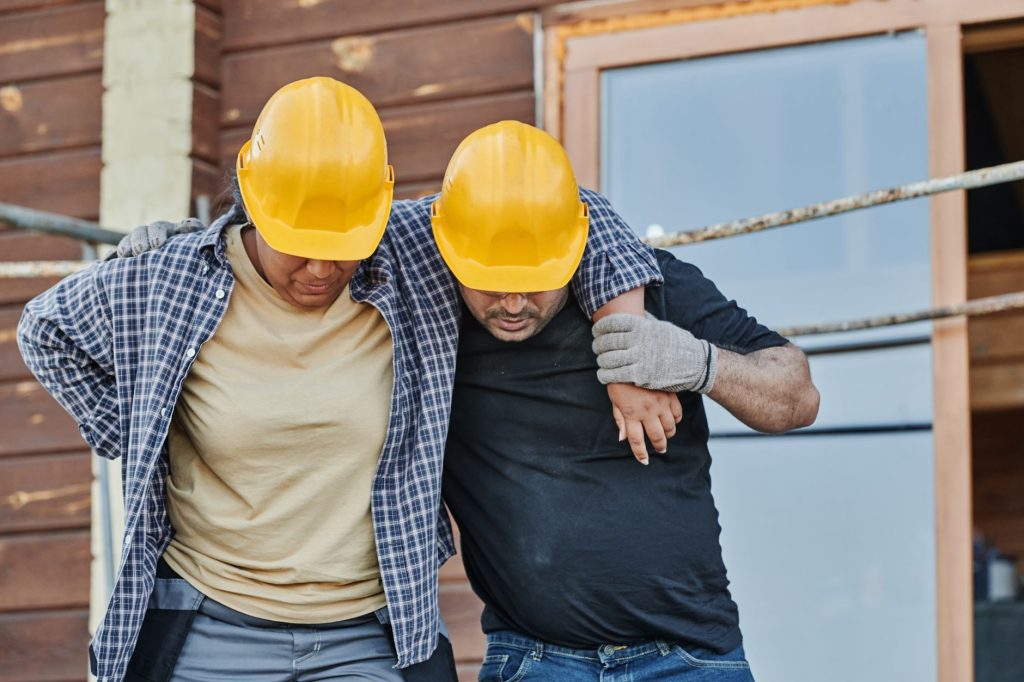
Construction sites combine height, heavy machinery, moving vehicles, temporary structures, electrical systems, and crews working on separate parts of the same project. When someone gets hurt, the accident itself is often only the beginning of the problem. Figuring out how the injury happened, who controlled the work area, and which insurance coverage applies sometimes takes far more investigation than workers expect.
Workers’ compensation exists to cover job-related injuries without requiring an injured employee to prove that an employer was negligent. Information available through the california workers’ compensation lawyers, apc site can also help clarify how workplace injury claims are handled when more than one party is involved. Construction accidents, though, frequently involve people and companies beyond the injured worker’s direct employer, which often makes these claims harder to sort out.
Falls Often Raise Questions About More Than Height
Falls remain one of the most serious hazards on construction sites. An employee might fall from scaffolding, a ladder, a roof edge, an unfinished floor, or an elevated platform. Even a fall on the same level may cause major injuries if loose materials, cords, debris, or uneven surfaces are involved.
After a fall, investigators usually look beyond the basic question of where the worker landed. They also examine who installed the scaffold, who inspected the work area, who supplied safety equipment, and which contractor had control over the section of the jobsite.
Those details matter because the injured employee’s workers’ compensation claim may exist alongside a separate claim involving another business responsible for unsafe equipment or site conditions. The two claims follow different legal rules, which is one reason construction injuries often require a closer review.
Heavy Equipment Creates a Longer Trail of Responsibility
Construction workers regularly share space with forklifts, cranes, loaders, excavators, lifts, power tools, and delivery vehicles. An equipment injury may involve operator error, poor maintenance, inadequate training, defective parts, or unsafe jobsite coordination.
Records become especially important in these cases. Maintenance logs, inspection reports, training documents, photographs, witness statements, and equipment ownership records may show what happened before the accident.
A worker struck by machinery operated by another contractor, for example, faces a different situation from someone injured while using equipment supplied by their own employer. The medical injury may look similar, yet the legal questions behind the two accidents differ sharply.
Fun fact: A single construction project often involves a general contractor, multiple subcontractors, equipment vendors, delivery crews, property owners, and outside specialists working at the same site.
Multiple Contractors Blur the Lines
Large construction projects rarely operate under one employer. Electricians, plumbers, roofers, concrete crews, painters, equipment operators, and other trades often work side by side while answering to different companies.
That setup creates confusion after an injury. One contractor may have created the hazard, another may have controlled access to the area, and the injured worker may have been employed by an entirely separate subcontractor.
Workers’ compensation generally focuses on the employment relationship between the injured worker and the employer. A separate third-party claim may arise when another contractor, equipment manufacturer, property owner, or outside party contributed to the accident. Identifying that distinction early matters because evidence disappears quickly on active jobsites.
Temporary barriers get moved. Equipment leaves the property. Crews finish their assignments and move to another project. A condition visible on the day of the accident may look completely different a week later.
Medical Records Matter From the Start
Construction injuries sometimes involve fractures, head trauma, spinal injuries, torn ligaments, burns, or repetitive strain that develops over time. The connection between the accident and the medical condition needs clear documentation.
Workers should report injuries promptly and describe the accident accurately during medical treatment. Gaps in treatment, inconsistent descriptions, or incomplete injury reports often become points of dispute later.
The financial impact also reaches beyond the first hospital or clinic visit. Lost wages, work restrictions, rehabilitation, future treatment, and the ability to return to the same physical job all affect the value and direction of a claim.
Why Workers’ Compensation Lawyers Are Often Useful in Construction Cases
Workers’ compensation lawyers are especially useful where the accident involves multiple employers, disputed jobsite control, serious injuries, or a possible third-party claim. They review employment records, medical documentation, accident reports, witness accounts, insurance coverage, and other evidence that shapes the claim. Nearby office details are provided below for readers who want to see where assistance is available:
They also help workers understand the difference between workers’ compensation benefits and other legal claims arising from the same accident. That distinction matters because accepting the wrong assumption early in the process may leave part of the case unexplored.
Construction sites change quickly after an accident. The strongest claims usually begin with clear reporting, preserved evidence, consistent medical records, and a careful look at every party connected to the incident. On a jobsite shared by multiple crews and contractors, knowing exactly who was responsible for what often becomes just as important as knowing how the injury occurred.